
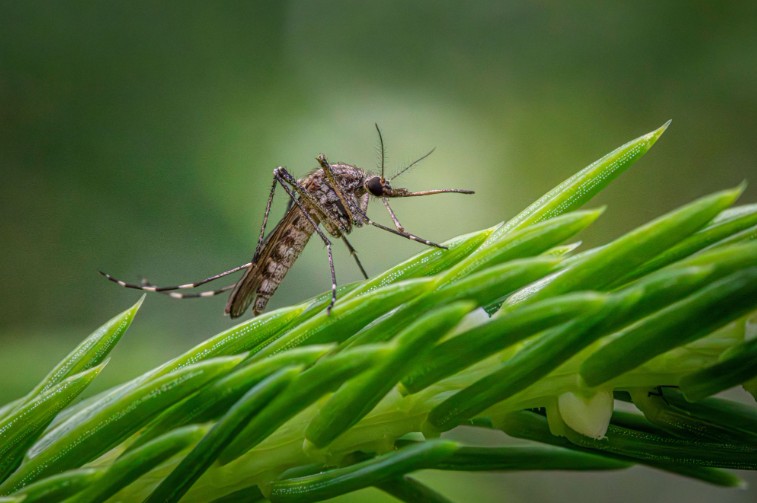
A garden should be a place to relax, not a place to get eaten alive. Mosquitoes have a way of turning an otherwise peaceful outdoor space into somewhere nobody wants to spend time. The good news is that a few consistent habits can make a real difference in how many mosquitoes actually stick around, no matter what time of year it is.
Understanding Why Mosquitoes Target Gardens
Gardens tend to check every box on a mosquito’s wish list: shade, humidity, dense plant cover, and often a nearby water source. Understanding why mosquitoes gravitate toward garden spaces in the first place makes it easier to see why prevention habits work. Rather than fighting mosquitoes directly, most effective strategies focus on removing the conditions that attract them in the first place, which tends to be far more sustainable than reacting to an established population after the fact.
Eliminate Standing Water
Mosquitoes need standing water to breed, and it doesn’t take much. Even a bottle cap’s worth of water can support mosquito larvae. Birdbaths, saucers under potted plants, clogged gutters, and low spots where water pools after rain are all common breeding grounds hiding in plain sight in most gardens.
Checking these spots regularly and dumping out standing water every few days breaks the mosquito breeding cycle before it starts. For water features that can’t simply be emptied, like ponds or rain barrels, adding a small pump to keep water moving or introducing mosquito-eating fish can prevent them from becoming a breeding ground. Even a garden hose left coiled with a low spot can hold enough water to matter, so it’s worth checking spots that don’t immediately come to mind as water sources.
Choose Mosquito-Repelling Plants
Certain plants naturally repel mosquitoes or at least make them less inclined to stick around. Citronella grass, lavender, marigolds, lemongrass, and catnip are all popular choices that also add color and fragrance to a garden. While no plant eliminates mosquitoes entirely, grouping several of these repellent varieties near seating areas or entry points can noticeably cut down on how many mosquitoes linger nearby, and it gives a garden a pleasant, layered look at the same time.
Improve Garden Airflow and Design
Mosquitoes are weak fliers and tend to avoid areas with consistent breeze. Positioning seating areas where they’ll catch natural airflow, or adding a fan to a patio or deck, makes the space less appealing to mosquitoes without requiring any chemicals at all.
Dense, overgrown vegetation also gives mosquitoes shady, humid spots to rest during the day. Thinning out thick shrubs and trimming back overgrown areas opens up airflow and removes some of their favorite daytime hiding spots, while also giving the garden a tidier, more intentional appearance.
Keep Grass and Vegetation Trimmed
Tall grass and dense ground cover hold humidity and provide shelter from wind and sun, both of which mosquitoes look for during the hottest parts of the day. Regular mowing and trimming reduces the amount of shaded, humid habitat available in a garden, which makes the space less hospitable overall.
Use Natural Predators to Your Advantage
Several common garden visitors happily eat mosquitoes and their larvae. Dragonflies, certain birds, bats, and frogs all help keep mosquito populations in check naturally. Adding features that attract these predators, like a bat house, a small pond stocked appropriately, or bird-friendly plantings, can turn a garden into an environment that works against mosquitoes on its own, often without the homeowner having to lift a finger once the habitat is established.
Consider Citronella and Essential Oil Barriers
Citronella candles, torches, and diffusers create a localized barrier that can help during specific activities, like an evening spent on the patio. While the effect is limited to the immediate area and doesn’t eliminate a broader mosquito population, it’s a low-effort way to make a specific gathering spot more comfortable, particularly when paired with the other habits on this list.
Rethink Garden Decor and Furniture
Certain garden features unintentionally create more mosquito habitat than homeowners realize. Decorative pots without drainage holes, tarps or covers that pool water in their folds, and unused kiddie pools or watering cans left out between uses all quietly become breeding sites. Walking through a garden after every rain to check for anything holding water, even small amounts, closes off breeding spots that are easy to overlook otherwise.
Time Outdoor Garden Work Wisely
Mosquitoes are most active during dawn and dusk, when temperatures are cooler and winds are calmer. Scheduling gardening tasks for the middle of the day, when mosquito activity naturally drops, reduces exposure without requiring any extra products or equipment at all. This small scheduling shift is one of the easiest changes on this list, since it costs nothing and simply means working around the garden’s peak mosquito hours instead of right through them.

When DIY Isn’t Enough
Even with all of these habits in place, a heavily infested yard, one near standing water, dense woods, or a particularly wet season, can overwhelm what DIY methods alone can accomplish. Mosquito populations tend to establish themselves faster than most homeowners expect, especially in areas with a lot of natural cover, and a garden bordering wooded or wetland areas often needs more than prevention habits alone can provide.
For gardens where the mosquito problem has become genuinely unmanageable, professional mosquito control treatment targets the areas where mosquitoes actually live and breed, offering a level of reduction that’s difficult to achieve with prevention habits alone. Combining professional treatment with the garden habits above tends to produce the best results, since one approach reduces the existing population while the other keeps new mosquitoes from moving back in.
Final Thoughts
Keeping mosquitoes out of a garden comes down to removing what they need most: standing water, shelter, and shade. Eliminating breeding spots, choosing the right plants, improving airflow, and timing outdoor work around peak mosquito activity all add up to a noticeably more comfortable garden. For particularly stubborn infestations, pairing these habits with professional treatment gives a garden the best shot at actually staying mosquito-free, season after season.