
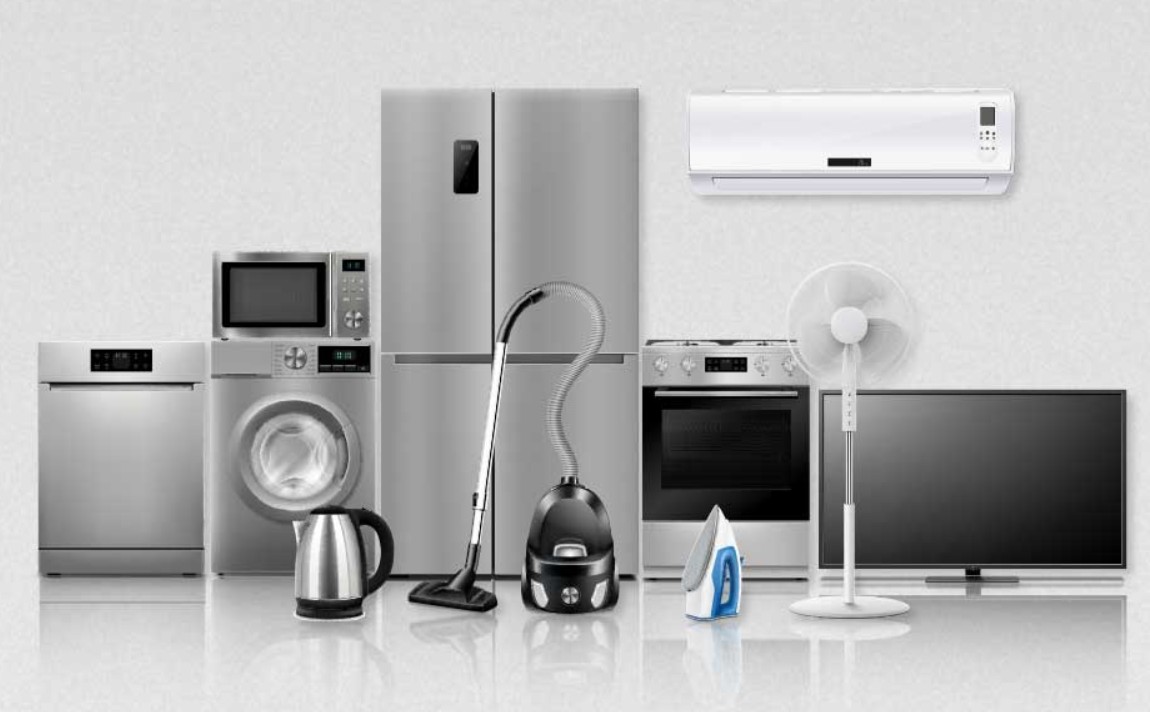
Most of us open the monthly electricity bill and wonder where all those units went. In Indian homes, the usual suspects are easy to name: the air conditioner in summer, the geyser in winter, and the refrigerator that never stops running. Add the washing machine, TV and a few chargers, and the numbers add up quickly.
The good news is that you don’t have to replace every appliance to bring the bill down. A few changes in how you use what you already own can cut a surprising amount of waste. Here are seven that actually work.
7 Simple Ways to Reduce Home Appliance Electricity Consumption in India
- Use the right AC temperature
Many people switch on the AC and set it to 16°C or 18°C, hoping the room will cool faster. It doesn’t necessarily cool the room faster. Instead, the compressor may simply keep working longer as the AC tries to reach a much lower temperature.
Around 24°C to 26°C is comfortable for many people, especially with a ceiling fan running on low speed. In India, star-labelled room air conditioners are required to have a default temperature setting of 24°C. BEE has also indicated that increasing the temperature setting can reduce electricity consumption, although the actual savings depend on the weather, room conditions and how the AC is used.
Also keep doors and windows closed while the AC is running. It sounds obvious, but a door left half-open to the next room or kitchen makes the AC work harder to maintain the required temperature.
- Clean AC filters regularly
Dust is a quiet problem. When AC filters get clogged, less air passes through the indoor unit, so the system may need to run longer to cool the same room. You’ll often notice weaker airflow before you notice the effect on your electricity bill.
During peak summer, when the AC runs for many hours a day, check the filters every two to three weeks. In many split ACs, you can simply lift the front panel, slide the filters out, wash them gently with plain water, allow them to dry fully and put them back.
It only takes a few minutes.
A professional service once or twice a year may still be useful, depending on usage and local conditions, but basic filter cleaning is something most homeowners can do themselves.
- Avoid keeping appliances on standby
That little red light on your TV means part of the appliance is still receiving power. The same can be true for set-top boxes, microwaves with digital clocks, music systems and chargers or adapters left connected when they are not needed.
Individually, the amount of electricity may be small. But when several devices remain connected throughout the day and night, the consumption can gradually add up.
The simple fix is to switch unnecessary devices off at the wall when you won’t use them for a long period, such as overnight or while travelling.
A power strip with its own switch can make this particularly convenient for a TV, set-top box and entertainment system that are all connected in the same area.
- Use washing machines efficiently
Running the washing machine for only a few clothes feels convenient, but it usually means more wash cycles during the week. Every additional cycle uses both electricity and water.
Waiting until you have a reasonable load generally makes better use of each wash cycle.
That doesn’t mean stuffing as many clothes as possible into the machine. An overloaded drum can prevent clothes from moving properly, affect cleaning performance and sometimes leave you needing another wash.
Aim for a practical load without packing the drum too tightly.
For everyday clothes with normal dirt, regular or eco modes are often sufficient. Heavy-duty cycles and hot-water washing can consume considerably more energy, so it makes sense to use them only when the clothes genuinely require it.
- Improve refrigerator efficiency
The refrigerator is one appliance that works throughout the day, every day, so small habits can make a difference over time.
Don’t keep opening the door unnecessarily. Every time you open it, some cold air escapes and warmer room air enters. Try to decide what you need before opening the refrigerator.
Avoid putting large steaming-hot vessels directly inside. If you have a large quantity of cooked food, dividing it into smaller containers can help it cool more quickly. Refrigerate food promptly rather than leaving it outside for an unnecessarily long period.
Leave enough space around the refrigerator. Refrigerators need ventilation to release heat. Avoid pushing the unit tightly against a wall, and follow the clearance recommendations provided by the manufacturer.
Check the door seal. One simple test is to close the refrigerator door on a sheet of paper. If the paper pulls out with almost no resistance at several points around the door, the gasket may need inspection.
Use the recommended temperature setting. Setting the refrigerator colder than necessary can increase electricity consumption without providing much practical benefit. Follow the manufacturer’s recommended setting for your model and local conditions.
See also: 7 Signs Your Home Needs Professional Gutter Repair Services
- Check the real running cost of appliances
This is something many people skip.
The wattage printed on an appliance tells only part of the story. How many hours you use the appliance matters just as much.
For example, a high-powered geyser used for a short period each day may consume less electricity over a month than a lower-powered appliance that operates for many hours every day.
So before I decide whether changing a particular habit is worth the effort, I prefer to estimate what the appliance actually costs to run.
A basic calculation uses the appliance wattage, daily usage time and your electricity tariff.
If you don’t want to do the maths by hand, an electricity cost calculator makes the process much quicker. Enter the appliance wattage, estimated usage hours and electricity rate to get a clearer idea of the running cost.
Once you understand roughly how much each appliance contributes to your monthly electricity use, it becomes easier to decide where changes are likely to make the biggest difference.
- Compare energy efficiency when replacing old appliances
Every appliance eventually reaches a point where another repair may no longer make financial sense.
When replacement time comes, don’t compare only the purchase price. An inexpensive model that consumes significantly more electricity could cost more over several years of regular use.
In India, the BEE star label is a useful starting point when comparing eligible appliances. A higher star rating generally indicates better energy efficiency within the relevant product category and rating period.
The label may also provide information about estimated energy consumption. When comparing two similar models, looking at energy-use information alongside the purchase price can give you a better picture of the long-term cost.
This becomes particularly important for appliances such as air conditioners and refrigerators, which may operate for many hours and remain in the home for years.
See also: 7 Best Mixer Grinders in India
Conclusion
Bringing down your electricity bill doesn’t have to start with a shopping trip.
Many useful savings begin with everyday habits: choosing a sensible AC temperature, keeping filters clean, switching unnecessary devices off at the wall, using the washing machine efficiently and operating the refrigerator a little more thoughtfully.
Regular maintenance also helps appliances work as intended instead of quietly wasting electricity.
Most importantly, understanding the real running cost of your appliances makes it much easier to decide which changes are actually worth making.
And when it is finally time to replace an old appliance, consider energy efficiency alongside the initial price.
Small changes may not look dramatic on a single day, but when they become regular habits, they can add up month after month.